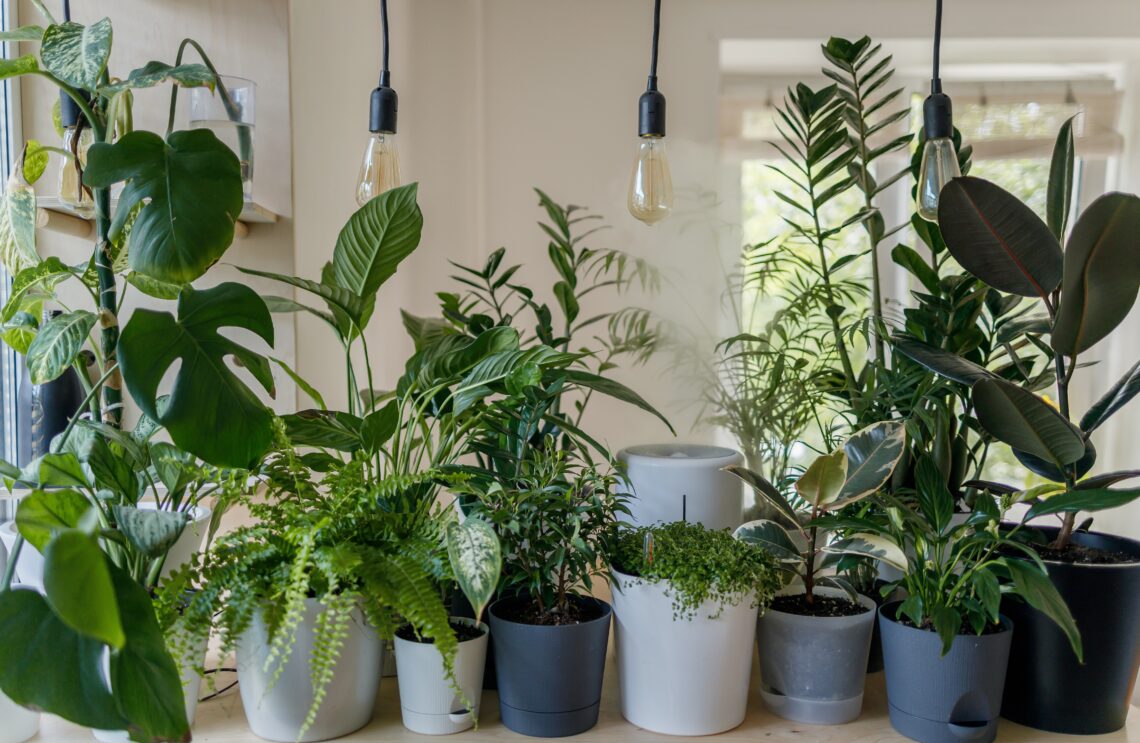
What are the Health Benefits of Indoor Plants?
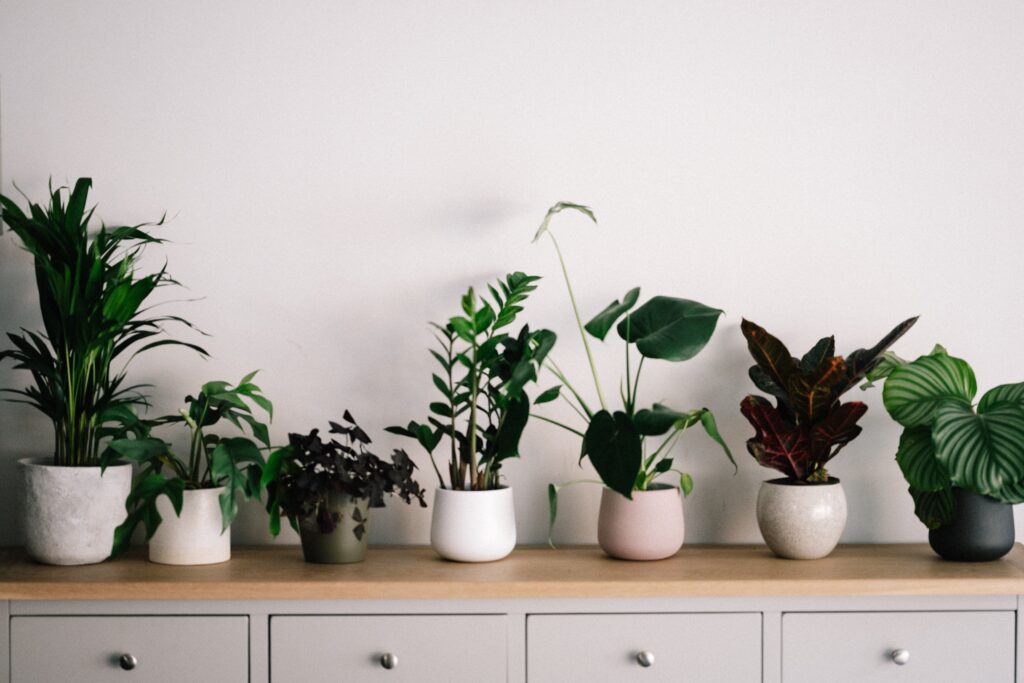
If you’re thinking about having plants in your home, you may be asking yourself what are the benefits to having them? Well, there are actually quite a few reasons to have indoor plants around your home, and we’re going to look into those today. Plants can actually help filter out contaminants and toxins from the air, create a welcoming environment and, well to be honest, they just look really pretty. The benefits of indoor plants go far beyond what you see on the surface, so this post will be discussing those benefits as well as listing a few different types of potted plants you could buy for your home.
Indoor plants help with allergy relief
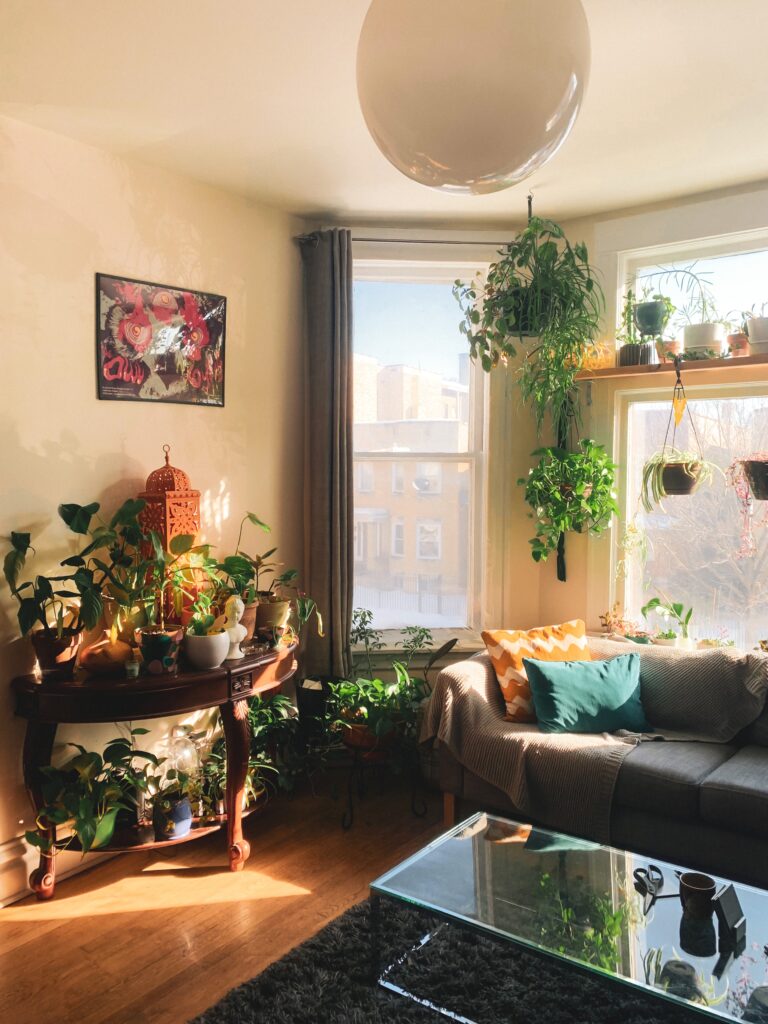
You may or may not know this, but plants can actually help with allergy relief when inside the home. This amazing benefit is possible because the plants absorb dust particles that are contaminating the air and therefore help to purify the air inside your home. It’s also possible for plants to offer insulation from noise pollution when placed strategically, which can certainly offer some relief for those with allergies to pollen.
Obviously, if you’re looking to spruce your place up with indoor plants specifically to help with allergy relief, it’s best to not choose a plant that produces pollen. This will simply add to the allergens in the air, rather than reduce them.
Having plants in our homes make us happier
It has been proven that not only do plants brighten up your environment, but they also make us feel better! Employees who work in offices with plants typically tend to be more satisfied with their jobs, worry less, and take fewer sick days. Getting your hands on some gorgeous flowers is a particularly effective way of boosting one’s mood! How about adding some blooms to your desks, such as a lipstick plant, or even a bouquet of fresh flowers.
Spider plants are great for improving moisture levels
The Spider Plant is an example of a plant that helps improve the moisture levels in a room. This is because the plant absorbs humidity through its leaves, which can later be released into the air.
The humble spider plant is one of my favourite plants because not only does it look cool, but it also absorbs humidity through its leaves, which can later be released into the air. Indoor humidity levels decrease when you are in an environment with high central heating and air conditioners. The humidity levels in winter are also naturally lower, which makes us more prone to catching colds and getting poorly. Houseplants provide some much needed moisture to the air – spider plants in particular were discovered to raise room relative humidity from 20% to 30%.
Indoor plants are great air purifiers
Many types of indoor plants are natural air purifiers. The plants pull toxins from the air, making the air purer, improve oxygen levels and potentially remove substances from the air that can make you sick. According to NASA, these are some of the best air purifying plants to have indoors:
- Aloe Vera ( Aloe barbadensis) because it removes benzene and trichloroethylene from the air.
- Snake Plant or Mother-in-Law’s Tongue (Sansevieria trifasciata) is capable of removing formaldehyde and xylene from your air. It also releases oxygen at night, so this is a great plant is in your bedroom.
- Peace Lily (Spathiphyllum wallisii) because it is brilliant at removing mold spores, ammonia, xylene, toluene, and formaldehyde from the air.
- Weeping Fig or Ficus Alii (Ficus benjamin) helps remove formaldehyde, benzene, and trichloroethylene.
- English Ivy or Hedera Helix removes ammonia, benzene, xylene, and toluene from the air.
- Gerbera Daisy can remove acetone – yep, the stuff that nail polish remover is made from! It also absorbs carbon monoxide and formaldehyde.
Herbs aid your digestion
You’ve probably got jars of hebs in your cupboards, but have you thought about growing these on your window sill instead? Not only are fresh herbs tastier, but they can also help aid your digestion. It’s easy to grow herbs in your kitchen, or on any windowsill you have spare and they’re very easy to care for. Herbs that make great digestion aids include mint, ginger, and basil.
Relaxing Lavender
Lavender is a herb that’s best known for it’s smell (although it is also edible!). It has been shown time and time again to help with relaxation, anxiety, and depression. Having a lavender plant in your bedroom can help you get a better night’s sleep.
Aloe is a must-have plant for first aid
Anyone from my generation will remember the phrase, “oh, do you want some aloe for that burn?” after someone came up with a particularly good burn during a bit of banter. The fact is that aloe is actually amazing for burns – real ones, anyway. Aloe cools sunburn, helps with kitchen burns and acts as a disinfectant. It is also known for it’s anti-inflammatory properties which means it’s particularly helpful for reducing swelling.
Getting a good night’s sleep
Plants with calming scents are great additions to your bedroom as they can help aid your sleep. Some of the best plants to have in your bedroom to make sure you get a good nights sleep are lavender, jasmine, and even lemon balm. Jasmine, another of my favourites, can help with relaxation but also the strong scent can help you fall asleep faster. Lavender has been shown to decrease anxiety which is just what you need before bedtime. Lemon Balm is believed to have calming properties as well as over 200 active compounds that can help sleep quality.
Indoor plants can help with stress relief
Another benefit from having indoor plants is that they can help with stress relief! Certain plants, such as Chlorophytum Comosum, or spider plants can help reduce stress and improve mood.
As mentioned earlier, spider plants have been discovered to raise room relative humidity from 20% to 30%. Spider plants also release oxygen at night so you having these is your bedroom is a great way to stay calm and peaceful.
Lemon Balm (Melissa Officinalis) has a calming, anti-anxiety effect that can be felt after just 15 minutes of being around the plant.
Sage (Salvia Officinalis) is known to have memory-boosting properties and help with focus! It also helps reduce stress levels which means you may feel more up for the day ahead.
Of course, there’s also Lavender (Lavandula Angustifolia). Lavender is known for its calming and relaxing properties, which help reduce stress and anxiety. It also reduces blood pressure, which means if you have high levels of anxiety or stress, there’s no reason why this plant won’t help you while improving your mood at the same time.
Get a sharper focus
A surprising potential benefit from indoor plants is that they can actually help sharpen your focus, which means you could get more done. There are lots of indoor plants that have been shown to help improve focus but here are the top three: Rosemary, Lemon Balm, and Ginko Biloba.
Rosemary has a calming effect that helps reduce stress levels, this makes it perfect for studying or working into late hours as you’ll be better equipt to handle stress, therefor you’ll stay focused for longer. Lemon Balm which has been shown to improve memory in young adults, another great addition to your office space.
Ginkgo Biloba was found in one study of 200 students to increase their attention levels by a whopping 20%. It also helps reduce stress, anxiety, and depression, all while balancing blood sugar levels, helping you feel more focused throughout the day.
Having indoor plants is better for you mental and emotional health
So you see, having plants in your interior spaces can benefit you mental and emotional health in so many ways. From fighting anxiety, to helping you study, there are so many benefits that household plants can offer you, so why not pick some up today?


You May Also Like

3 Winter Self Care Tips